

Generations and variants
| Variant | Years | Litres | Cyl | Induction | Injection | Cam control | Ignition | Swap demand |
|---|---|---|---|---|---|---|---|---|
| LT1 (Gen V) | 2014- | 6.2 | V8 | NA | Direct injection | cam phaser + AFM | Coil-on-plug | Medium |
| LT4 (supercharged) | 2015- | 6.2 | V8 | SC | Direct injection | cam phaser | Coil-on-plug | Medium |
| L83 5.3 / L86 6.2 (Gen V truck) | 2014-18 | 5.3 | V8 | NA | Direct injection | cam phaser + AFM | Coil-on-plug | Medium |
| L84 5.3 / L87 6.2 (Gen V with DFM) | 2019- | 5.3 | V8 | NA | Direct injection | cam phaser + DFM | Coil-on-plug | Low |
Variants
Codes, dimensions and years side by side.
| Code | Displacement | Bore × stroke | Compression | Years | Applications |
|---|---|---|---|---|---|
| LT14116 | 6.2 L (376 ci) | 4.06 x 3.62 in (103.25 x 92 mm) | 11.5:1 | 2014- | C7 Corvette Stingray (2014-19), sixth-generation Camaro SS, Chevrolet Performance crate59 cc chambers, AFM, cam phasing, 87 mm drive-by-wire throttle, valvetrain designed for 6,600 rpm. |
| LT4231718 | 6.2 L | 4.06 x 3.62 in (103.25 x 92 mm) | 10.0:1 | 2015- | C7 Corvette Z06 (2015-19), Cadillac CTS-V (2016-19), Camaro ZL1 (2017-24), Cadillac CT5-V BlackwingEaton TVS R1740 (1.7 L) supercharger with integrated air-to-liquid intercooler, 9.71 psi maximum boost, forged pistons, titanium intake valves, 65.47 cc chambers, 20 MPa DI system. 650 hp / 650 lb-ft in the Z06. |
| L83613 | 5.3 L (325 ci) | 3.78 x 3.62 in | 11.0:1 | 2014-2019 (trucks; some later fleet/LD applications) | K2XX Silverado/Sierra 1500, Tahoe/Yukon/Suburban355 hp / 383 lb-ft. Aluminium block, DI, AFM, VVT. |
| L8667198 | 6.2 L | 4.06 x 3.62 in | 11.5:1 | 2014-2019 | K2XX Silverado/Sierra 1500, Tahoe/Yukon, Escalade420 hp / 460 lb-ft. Shares its camshaft part number with the LT1, with a truck-specific intake for low-rpm torque. Paired with the 8L90 from 2015. |
| L84910 | 5.3 L | — | — | 2019- | T1XX Silverado/Sierra 1500 and SUVs355 hp / 383 lb-ft. Dynamic Fuel Management (17 cylinder patterns). Paired with the 8L90 (MQE) in 2019 trucks. |
| L879101911 | 6.2 L | — | — | 2019- | T1XX Silverado/Sierra 1500, Tahoe/Suburban, Yukon, Escalade420 hp / 460 lb-ft. DFM and improved cooling versus the L86. Paired with the 10L80 (MQB). Subject to recall 25V-274 (engines built March 2021 to May 2024). |
| Related: LT2, LT5, L8T16 | 6.2 L (LT2, LT5) / 6.6 L (L8T) | — | — | 2019- | LT2: C8 Corvette (dry sump). LT5: C7 ZR1 (2.65 L supercharger, port plus direct injection). L8T: HD Silverado/Sierra (iron block)Same Gen V architecture, not covered in detail here. |
Valvetrain
- OHV, 2 valves/cylinder, hydraulic roller lifters, non-offset 1.8:1 rockers
- Valve positions swapped and valve angles reduced (12.5 deg intake / 12 deg exhaust) versus Gen IV
- 54 mm hollow intake
- 40.4 mm hollow sodium-filled exhaust. LT4 uses titanium intakes of the same diameter
- Single vane-type phaser on the cam (dual-equal phasing), hydraulically actuated through an ECM-controlled solenoid
- 62 degrees of authorityGen IV: 52
- Two-stage hydraulic lifters deactivate cylinders 1, 4, 6 and 7
- Effective firing order becomes 8-2-5-3
Deactivating lifters on all 16 positions, eight valley-mounted solenoids (one per cylinder) under the valley cover, 17 cylinder patterns, decisions up to 80 times per second
Sourced9DFM is a significant step beyond AFM. Every cylinder has deactivating lifters and its own oil-control solenoid, and the ECM sequences deactivation in firing order so that each cylinder is shut down after its intake event. Intake and exhaust lifters share a solenoid but switch at different times: the exhaust lifter immediately, the intake lifter at base circle. Any non-OEM controller, or a cam change, has to deal with this hardware. The usual approach is a mechanical delete (non-DFM lifters, blocked solenoid passages), not just leaving the solenoids unpowered.
The single phaser moves the whole camshaft. On boosted LT4 and modified LT1 engines, phaser position is a powerful tuning variable for torque, scavenging and charge temperature. Phasing also changes piston-to-valve clearance, so after cam swaps check clearance across the full phaser range.
Fuel system
Gasoline direct injection, injectors below the intake ports, fuel rails under the intake manifold
Sourced1- Single mechanical pump driven by a tri-lobe at the rear of the camshaft, mounted in the rear of the valley under the intake
- 1.48 cc/rev displacement
- Fed by the in-tank low-pressure pump
On Gen V the fuel system, not the airflow, is the first hard limit. The cam-driven pump delivers a fixed volume per revolution, so available fuel scales with rpm. The pump lobe, the pump's own capacity and injector flow at rail pressure each become a bottleneck in turn. On E85 or with more boost, the standard path is a higher-displacement pump (larger bore or a higher-lift drive lobe), then larger DI injectors. Some builds add a supplemental port-injection system.
DI injectors need a high-voltage, current-controlled driver and a calibration tied to rail pressure. They cannot be driven from an ordinary saturated or peak-and-hold port injector output. Aftermarket DI injectors are characterised at specific pressures (one +30% LT4 injector is rated to 200 bar), so the controller's injector model has to cover the whole rail pressure range.
Ignition
Moved closer to the bore centre than on Gen IV to improve knock tolerance
Sourced · medium1Cylinder numbering follows the LS convention: odd cylinders on the driver's bank in LHD US vehicles. Because AFM and DFM change which cylinders fire, logged knock and misfire data must be read against the deactivation state at that moment.
Crank and cam triggers
- Gen V requires a Gen V-specific harness and controller
- LS-era harnesses and ECMs do not carry over
The 58x/4x pattern resembles late Gen IV, which makes Gen V easy to decode for any controller that supports GM 58x. The difficult parts are elsewhere: DI injector drive, pump control, phaser and DFM. Controllers that run cam phasing should log commanded versus actual phaser angle. The 4x cam signal is the feedback.
Sensors
MAF meter (Chevrolet Performance LT controller kits include a MAF and two O2 sensors)
Sourced · medium14Treat the factory narrowband or switching sensors as closed-loop trim inputs only. Fit a wideband for calibration work. On DI engines, also log the commanded versus actual rail pressure, the pump command, and injector pulse width or the end-of-injection angle. On a stressed fuel system these show trouble before AFR does.
Factory engine management
Newer Global B platforms use the E90 ECM, which includes security restrictions that prevent reflash tuning without an unlock service
Low confidence23- Chevrolet Performance LT kits use a pre-calibrated E92 with harness, fuse box, MAF, O2 sensors and pump module
- Kits are specific to transmission and model year (pre-2022 controllers are not for 2022+ crate engines)
Aftermarket E92 swap calibrations exist that remove body/network dependencies for retrofit use
Sourced · medium24The E92 runs a torque-based strategy and manages the cam phaser, AFM/DFM, the DI pump and injectors, and drive-by-wire. Most swap guidance advises staying close to the OEM ECM on Gen V, especially to keep cam phasing and cylinder deactivation, because rebuilding DI pump and injector control from scratch is a substantial calibration task.
Knock control uses block-mounted knock sensors and spark retard. GM engineers described the Gen V chamber as more knock-tolerant and less sensitive to temperature and octane than Gen IV. Premium fuel is recommended for the LT1, though not required.
Timing considerations
DI charge cooling and a centralised plug allow 11.5:1 on the LT1 and 10.0:1 under boost on the LT4
Sourced12On DI, start/end of injection is a calibration variable that affects mixture preparation, knock and particulates
Sourced · medium1Treat spark on Gen V as knock-limited at high load, especially on boosted LT4s and on modified LT1s with higher-octane fuel blends. Change spark in small steps, log knock retard per cylinder where available, and verify rail pressure is being held. A sagging DI pressure at high rpm shows up as lean, knock-prone cylinders long before an average AFR reading moves.
E85 is attractive for knock margin but makes the DI fuel limit much worse, roughly 30-40% more volume through the same cam-driven pump. Only add spark for ethanol after the pump and injectors have shown they can hold pressure and duty cycle.
Tuning notes
High-pressure pump displacement, pump capacity versus rpm (set partly by the cam lobe), then DI injector flow
Sourced · medium2021Big-bore DI pumps flow over 30% more than the stock L86/LT1 pump, at a recommended 15 MPa maximum
Sourced · medium21LT4-pattern DI injectors are offered at +30% and +70% flow, rated to 200 bar and lower respectively
Sourced · medium22A typical reflash progression is: confirm fuel system headroom (rail pressure tracking, pump duty), then airflow (MAF and VE), then power enrichment and injection timing, then spark under knock logging, then torque model and transmission. Torque-model accuracy matters on Gen V because drive-by-wire, traction control and the transmission all rely on the ECM's torque estimate.
For standalone control, the controller must provide DI injector drivers and closed-loop high-pressure pump control. Keep phaser and DFM/AFM control, or remove the hardware. Several swap specialists sell reflashed E92s for exactly this reason.
Weak points
- GM bulletin PIP5259 links misfire and tick on 5.3 L and 6.2 L trucks to collapsed or stuck AFM lifters, possibly from oil aeration
- Repair includes AFM lifters and guide, plus oil pump and pan
Recall 25V-274 covers L87 engines built March 2021 to May 2024 for connecting rod and crankshaft manufacturing defects that can cause bearing failure
Sourced11The core architecture is strong, and the LT4 bottom end is built for boost (forged pistons, forged-steel crank, PM-forged rods). The common problems are the deactivation lifters, carbon on the intake valves (normal for DI-only engines without port injection), and, on the L87, the recalled crank and rod quality issues. Check an L87's recall status before any performance work.
Common swaps
Chevrolet Performance LT1/LT4 crate engines with matching engine controller kits for manual, 6L80, 8-speed and 10-speed transmissions
Sourced · medium1415Truck L83/L86 engines with a reflashed E92 and swap harness are a lower-cost alternative
Sourced · medium24Low-pressure supply must feed the cam-driven DI pump and is controlled through a pump power module in kit installs
Sourced · medium14The LT has largely replaced the LS as the modern crate-swap engine for builders who want factory-level drivability and emissions. Mechanically it fits most LS swap spaces, but the accessory drive, intake and oil pan are LT-specific. Electrically it is more demanding: drive-by-wire, DI pump control and DFM/AFM all assume a GM controller. Most swaps therefore use the Chevrolet Performance controller kit or an aftermarket-flashed E92, not a generic port-injection ECU.
Vehicles with this engine
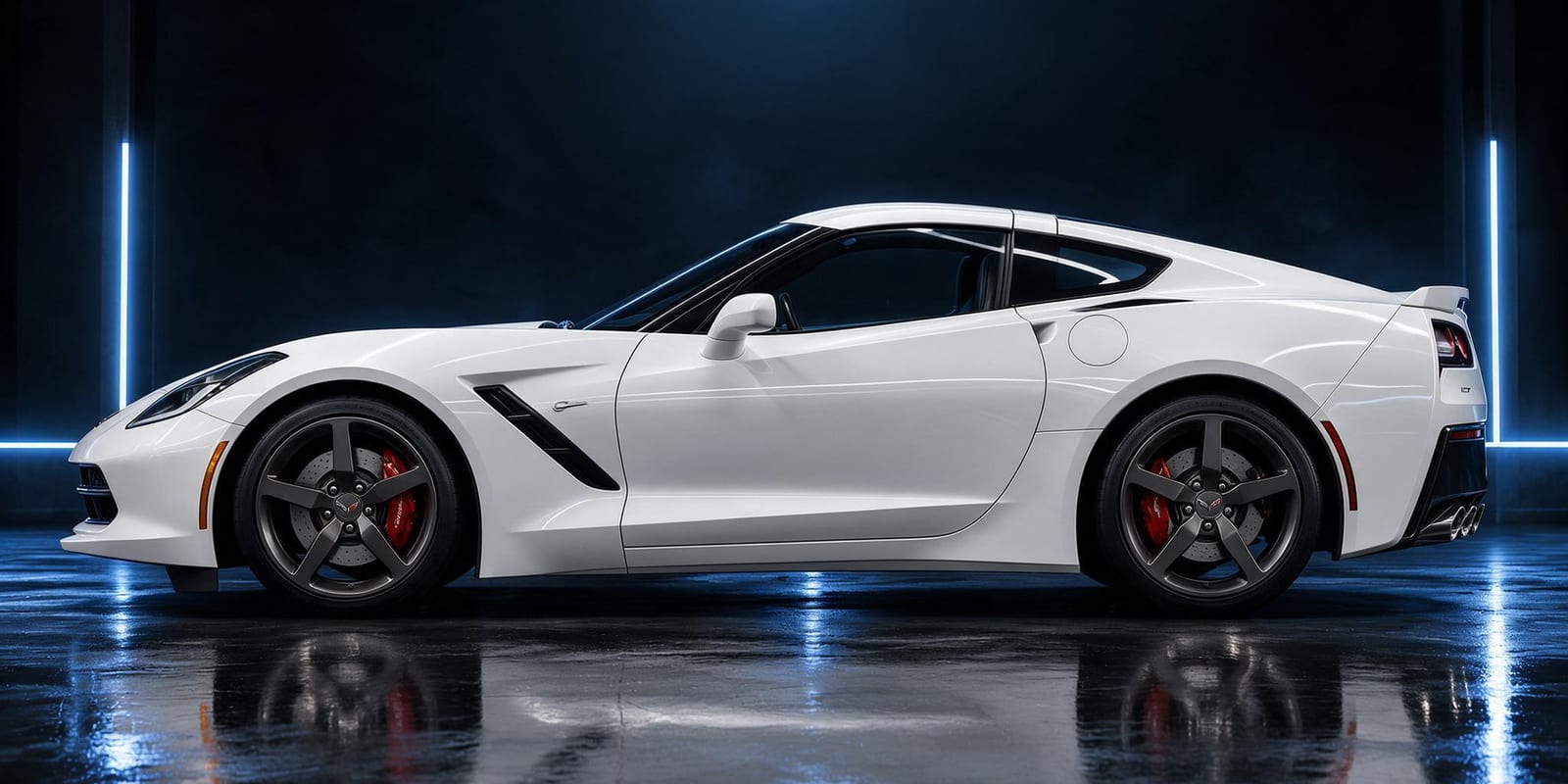 Chevrolet · 2014-19Corvette C7 Stingray / Grand SportLT1 (Gen V)Chevrolet · 2015-19Corvette C7 Z06LT4 (supercharged)
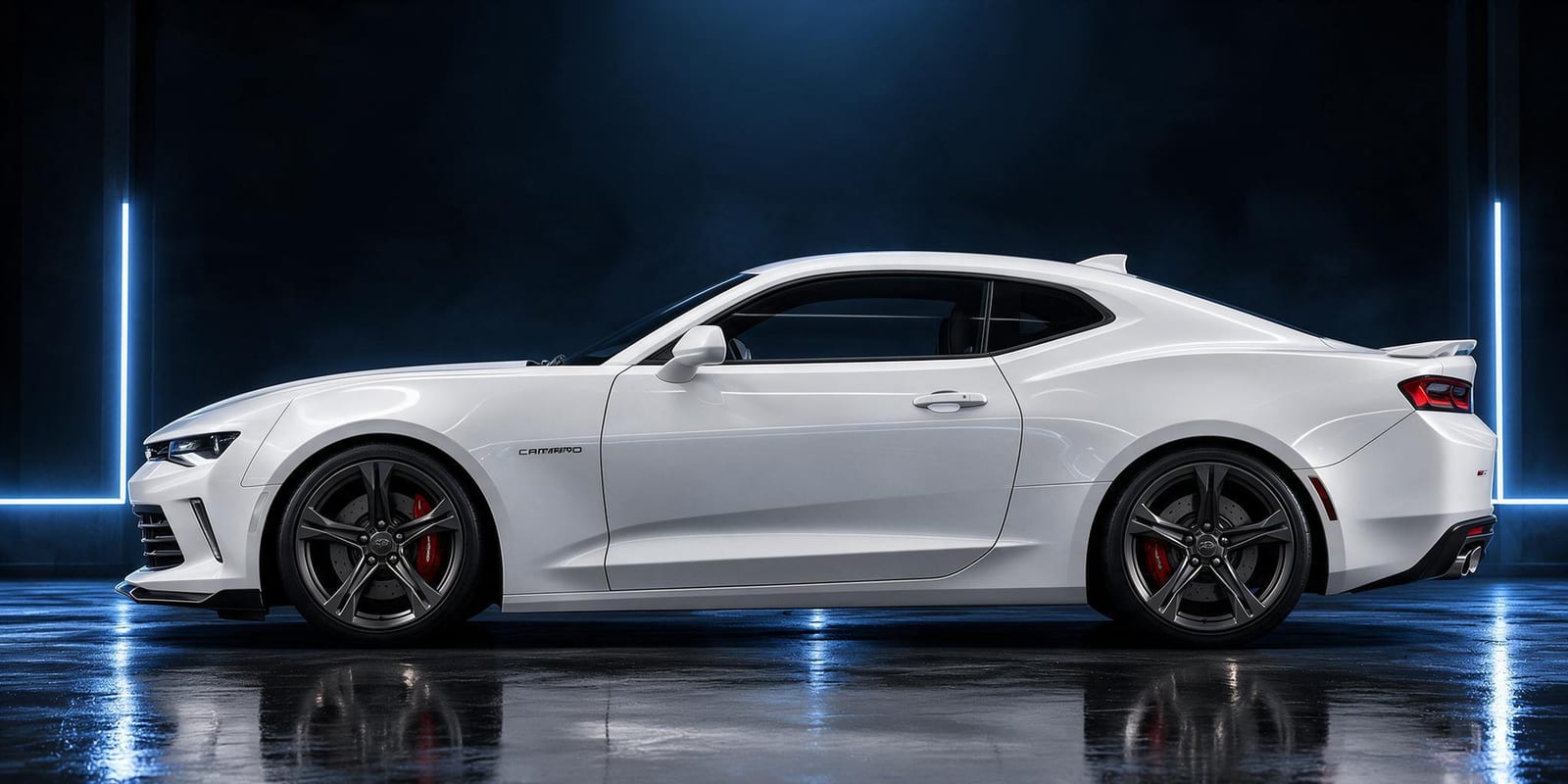 Chevrolet · 2016-24Camaro 6th gen SSLT1 (Gen V)Chevrolet · 2017-24Camaro 6th gen ZL1LT4 (supercharged)
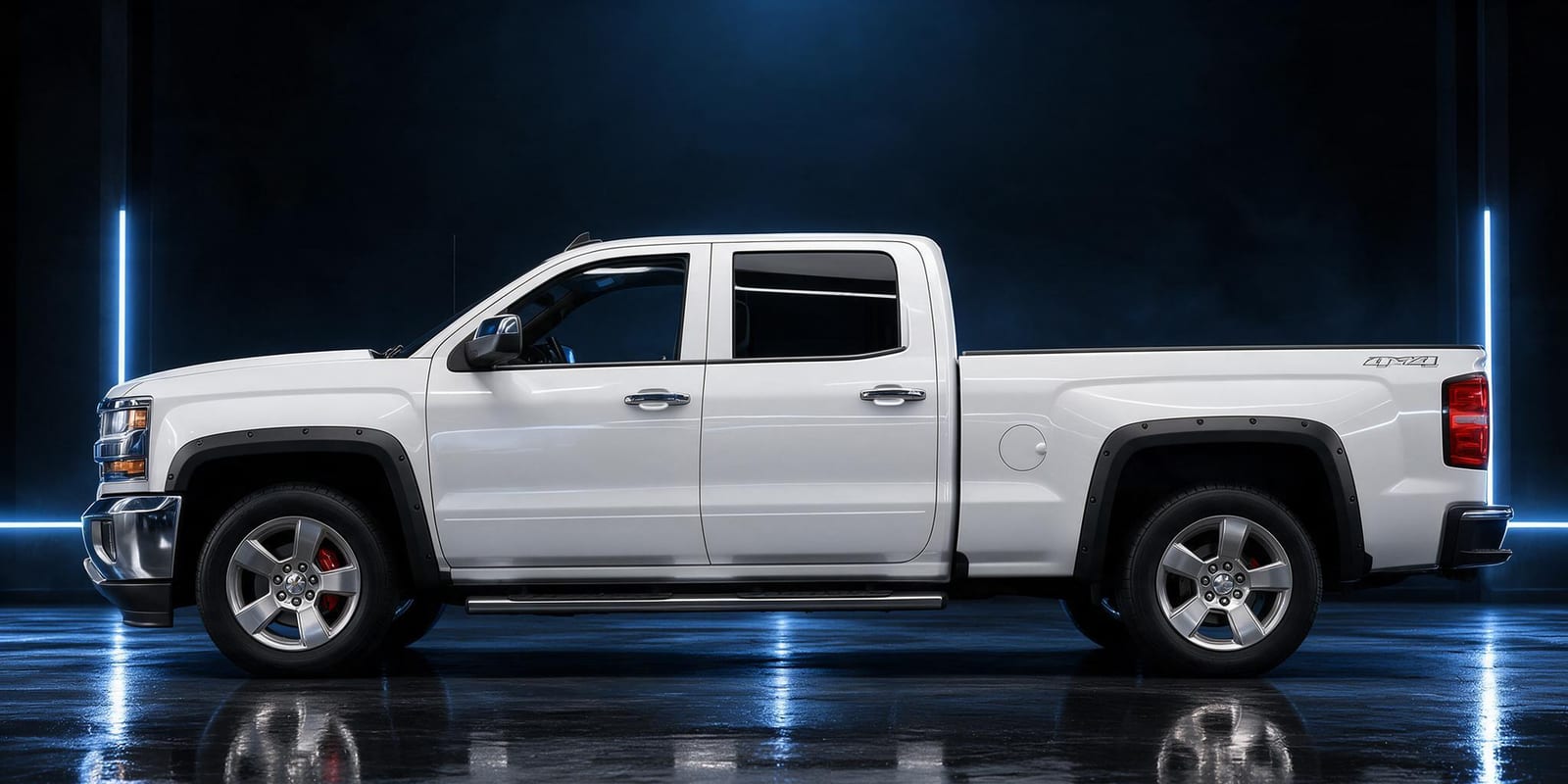 Chevrolet / GMC · 2014-18Silverado / Sierra K2XX 5.3 / 6.2 (L83 / L86)L83 5.3 / L86 6.2 (Gen V truck)
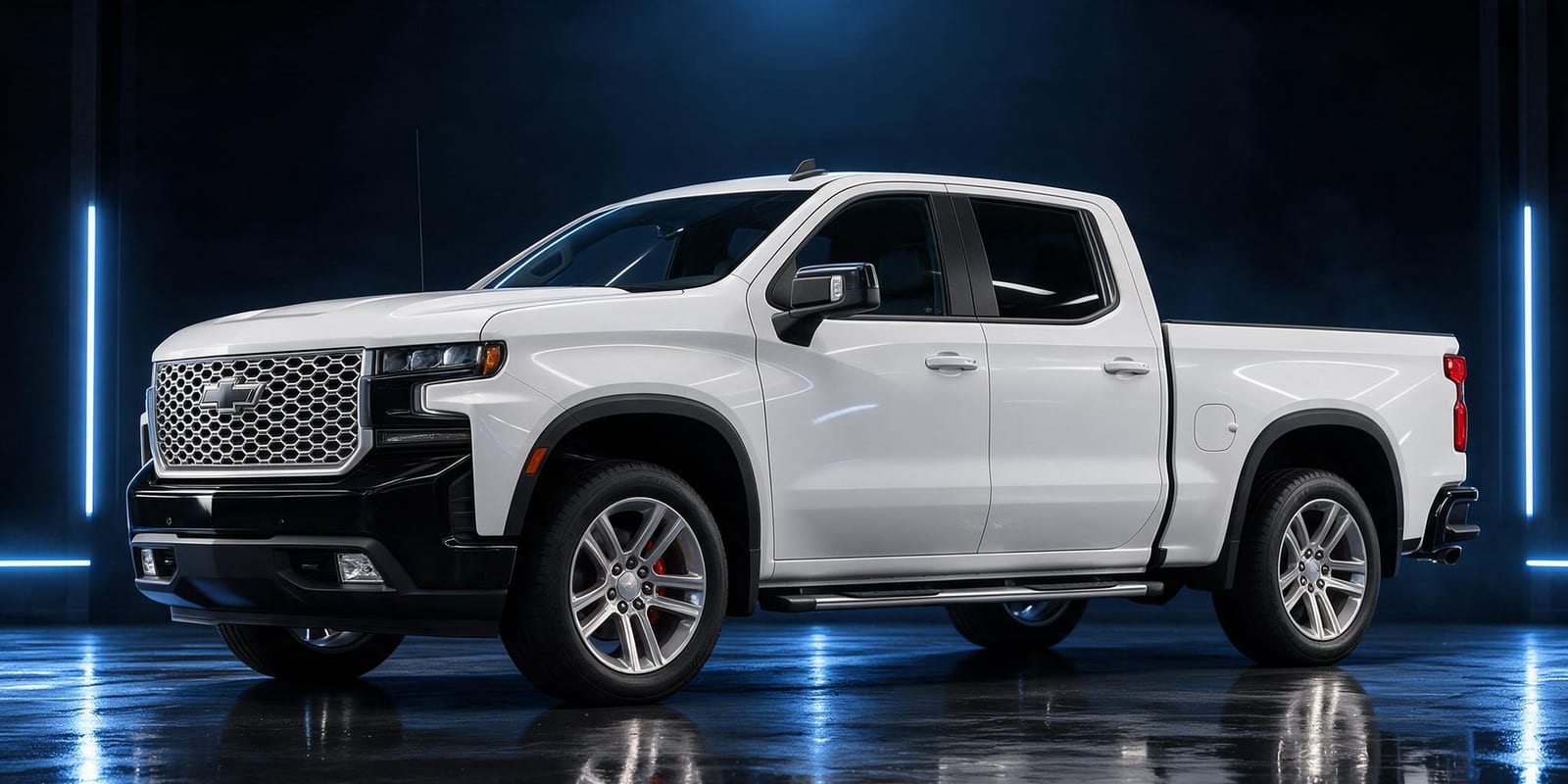 Chevrolet / GMC · 2019-Silverado / Sierra T1 5.3 / 6.2 (L84 / L87)L84 5.3 / L87 6.2 (Gen V with DFM)
GAINS on the GM LT (Gen V)
ECU2 + DI
Designed so your phone is the laptop, keypad and dash
The GAINS app is designed to handle tuning, logging, gauges and switch inputs over Bluetooth, so the system needs no separate CAN keypad or display. Keypad, dash and logging views are planned; the iOS prototype runs on simulated data today.
Wideband, IMU and logging built in
An onboard Bosch LSU 4.9 wideband controller, a 6-axis IMU and onboard logging are designed into the ECU rather than sold as add-on modules.
Modular, so you buy what the engine needs
This engine runs on ECU2 + DI; direct injection is handled by the DI driver. PDM2 (power, body and gearbox) is optional and connects over ECU2's powered CAN port; the Telemetry Dongle Pro adds GPS lap timing from the OBD-II port.
Calibration that keeps learning
Instead of a fixed map that drifts as parts and conditions change, the ECU keeps adapting its fuel trims within limits you can see and approve in the app.
Adaptive tuning strategies
- VE learning closed loop on GAINS ECUs
Learns the fuel table from the onboard wideband as you drive, cell by cell, inside a signed authority envelope. Learned trims are promoted into the base map without a step in fuelling.
- Goal-based lambda targets closed loop on GAINS ECUs
Sets air-fuel targets from your goal (economy, response, power, safety margin) instead of a single fixed table.
- Knock protection protection
Listens for knock on a dedicated knock processor, pulls timing at once and restores it slowly. It only ever reduces advance.
- Warm-up, cranking, idle and transient fuel planned
The same learning approach applied to the tables tuners spend hours on after the main map is done.
- Spark advance and boost authority gated
Widening ignition advance or boost is never automatic. It stays an expert or dyno decision until validated knock detection exists for the engine family.
Already running another ECU? In advisor mode the same strategies read your logs and recommend exact table changes with the reasoning, which you apply in your ECU vendor's own software.
GAINS hardware is pre-release concept design. Simulated results only; nothing is validated on a vehicle yet.
Frequently asked
What is the LT1 firing order?
1-8-7-2-6-5-4-3, the same as the LS family. With AFM active, the deactivated cylinders are 1, 4, 6 and 7, and the engine fires 8-2-5-3.1
What fuel pressure does the LT1 / LT4 direct injection run?
The LT1's cam-driven pump runs up to 15 MPa (about 2,175 psi) and the LT4's up to 20 MPa (about 2,900 psi).12
What crank and cam trigger does the Gen V LT use?
A 58x crank encoder and a 4x cam sensor.2
What is the difference between the L86 and L87?
Both are 6.2 L DI truck V8s rated 420 hp / 460 lb-ft. The L86 uses AFM (switches between 8 and 4 cylinders). The L87 uses Dynamic Fuel Management, which can deactivate any cylinder in 17 patterns, and has improved cooling.9197
What ECU does the Gen V LT use?
The E92 ECM, introduced with the 2014 LT1 and the L83/L86 trucks. Later Global B vehicles use the E90, which needs an unlock before it can be reflashed.11323
What limits power on a modified LT4?
Usually the fuel system: first the cam-driven high-pressure pump's displacement and flow at rpm, then the DI injectors. Upgraded pumps and larger DI injectors are the usual fixes.202122
Is the L87 6.2 recalled?
Yes. NHTSA recall 25V-274 covers L87 engines built between March 2021 and May 2024 for connecting rod and crankshaft defects.11
Sources
Numbered as cited above. Hover or tap a citation chip to preview it.
- Is the Gen V Engine's Combustion System Really New? (Mike Magda, 2012-12-10) · EngineLabs · press · retrieved 2026-10-25
- 2015 Corvette Z06: LT4 Engine Overview (Source: GM Powertrain) · General Motors (via Corvette Action Center) · oem · retrieved 2026-10-25
- Press Release: Compact Powerhouse: Inside Corvette Z06's LT4 Engine · General Motors (via Corvette Action Center) · oem · retrieved 2026-10-25
- 2014 Chevrolet Corvette Stingray Preliminary Specifications · Corvette Action Center · press · retrieved 2026-10-25
- Understanding the LT1's New Direct Injection · Engine Builder Magazine · press · retrieved 2026-10-25
- Power Numbers Released for Gen-V 5.3L EcoTec3 and 4.3L Truck Engines · LSX Magazine · press · retrieved 2026-10-25
- 2015 Silverado Offers Trio of EcoTec3 Engines · Automotive Fleet · press · retrieved 2026-10-25
- GM makes 8-speed automatic transmission standard on 2015 Chevrolet Silverado, GMC Sierra · Equipment World · press · retrieved 2026-10-25
- New V8 Engines Feature Dynamic Fuel Management (2018-08-30) · GM TechLink · oem · retrieved 2026-10-25
- All-New 2019 Silverado 1500 and Sierra 1500 Ready to Work · GM TechLink · oem · retrieved 2026-10-25
- Part 573 Safety Recall Report 25V-274 (L87 6.2L engine) · NHTSA / General Motors · oem · retrieved 2026-10-25
- GM PIP5259: Misfire / tick noise, AFM lifter (2014-2015 5.3L and 6.2L trucks) · NHTSA / General Motors · service-manual · retrieved 2026-10-25
- GM service bulletin: restricted E92 ECM part for 2014 Silverado/Sierra (LV1, LV3, L83, L86) · NHTSA / General Motors · service-manual · retrieved 2026-10-25
- Chevrolet Performance 19433247 LT1 Wet Sump Engine Controller Kit (8/10-speed automatic, 2022+) · SDPC (Scoggin Dickey Parts Center) · vendor-doc · retrieved 2026-10-25
- Chevrolet Performance Engine Controller Kits 19418585 (LT1) · JEGS · vendor-doc · retrieved 2026-10-25
- LT Engine Codes Explained: Understanding GM's Gen V V8s (2025-08-11) · LSX Magazine · press · retrieved 2026-10-25
- GM 6.2 Liter V8 Supercharged LT4 Engine · GM Authority · press · retrieved 2026-10-25
- Chevy Has Built The Last Camaro ZL1's Supercharged LT4 Engine · Motor1 · press · retrieved 2026-10-25
- What's The Difference Between GM's L86 & L87 Engines? · Jalopnik · press · retrieved 2026-10-25
- L8T To The Party: Indirect Effects With Direct Injection · EngineLabs · press · retrieved 2026-10-25
- Big Bore Direct Injection High Volume Fuel Pump for GM Gen V V8 Applications · Lingenfelter Performance Engineering · vendor-doc · retrieved 2026-10-25
- XDI High Flow LT4/LT5 Injectors (+30%) · Katech · vendor-doc · retrieved 2026-10-25
- GM E90 ECM Service (Global B) Unlock Service · The Tuning School · vendor-doc · retrieved 2026-10-25
- BP Automotive's E92 ECM Flash Makes Gen-V LT Swaps Easy · LSX Magazine · press · retrieved 2026-10-25
- 24x vs 58x Reluctor Differences for LS and LT · PSI Conversion · vendor-doc · retrieved 2026-10-25
- TRG-001A 58x Trigger Conversion Module Instructions v2.5 · Lingenfelter Performance Engineering · vendor-doc · retrieved 2026-10-25